
When we talk about trusted footwear brands in India, Bata is one name that instantly connects with generations. Founded in 1894, the brand has evolved from a small European shoe manufacturer into a global footwear giant with a powerful presence in India. Bata India entered the Indian market in 1931 and quickly became a household name. For decades, Bata has been associated with affordability, durability, and accessibility, making it one of the most recognized footwear brands across metro cities as well as Tier 2 and Tier 3 markets.
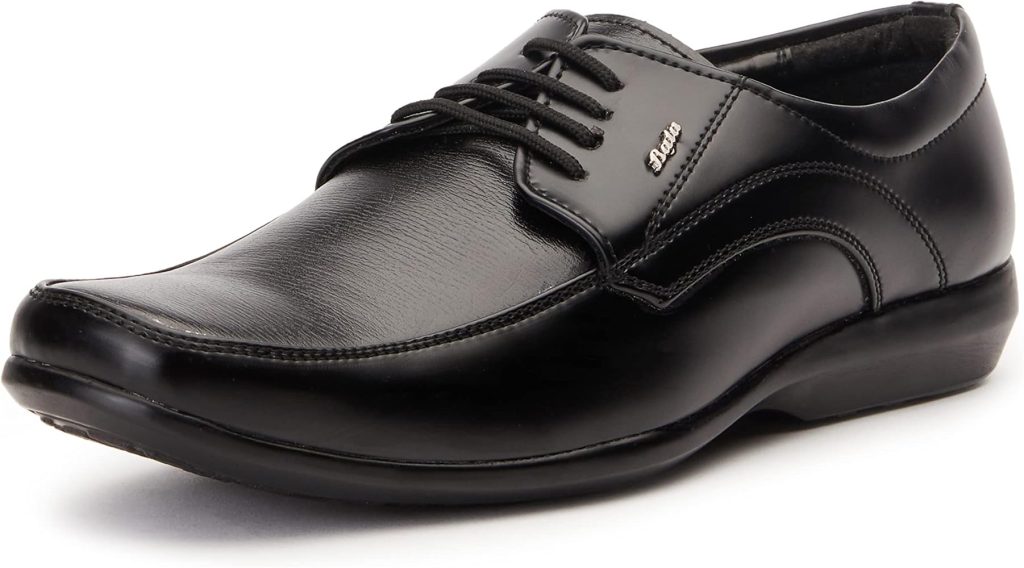
What makes Bata unique is its mass-market positioning. Unlike premium sportswear brands such as Nike or Adidas, Bata built its identity around providing quality footwear for every family. This value-driven strategy allowed the company to scale rapidly across India. From school shoes and formal office wear to casual sneakers and women’s sandals, Bata offers a wide product range that caters to men, women, and children. The brand has especially dominated the school shoe segment, where seasonal demand during the academic year consistently drives strong sales and search volume online.
4
Over the last decade, Bata has undergone a significant transformation in perception. Earlier, the brand was primarily associated with school shoes and conservative office footwear. However, consumer behavior in India has changed rapidly due to increased disposable income, social media influence, and global fashion exposure. Recognizing this shift, Bata India strategically repositioned several of its collections to appeal to younger audiences without losing its core middle-class base.
Instead of completely reinventing itself like premium sports brands, Bata adopted a smart hybrid strategy. It retained its reputation for comfort and durability while gradually introducing trend-driven sneakers, lightweight casual footwear, and modern women’s collections. This balanced evolution allowed the brand to modernize without alienating loyal customers. From a marketing standpoint, this is a powerful lesson: long-term brands must evolve incrementally, not abruptly.
Bata also expanded sub-brands and in-house labels targeting specific segments such as office professionals, college students, and comfort-focused consumers. This micro-segmentation helps the brand capture different intent-based searches online. For example, someone searching for “comfortable office shoes for women” has different intent than someone searching for “trendy sneakers under 3000.” By structuring product categories accordingly, Bata increases its chances of ranking for multiple commercial keywords.
Consumer Psychology Behind Bata’s Success
One of the strongest pillars behind Bata’s dominance is psychological positioning. The brand represents reliability. In consumer behavior theory, familiarity reduces purchase hesitation. When buyers recognize a brand from childhood, they feel lower risk in choosing it again. This reduces the need for heavy persuasion in marketing campaigns.
Additionally, Bata appeals strongly to value-conscious buyers. In India, a large segment of consumers compare prices carefully before purchasing footwear. They search terms like “best shoes under 2000” or “affordable leather shoes for office.” Bata strategically places itself in that mid-range sweet spot—neither too cheap to appear low quality nor too expensive to feel inaccessible. This positioning captures a high-volume market that premium brands often overlook.
Another critical factor is practicality. Indian consumers prioritize durability and comfort, especially for daily wear and school footwear. Bata built its legacy on providing sturdy, long-lasting products. Even today, product descriptions emphasize cushioning, grip, leather quality, and comfort features rather than purely aesthetic appeal. This practical communication aligns with the buying mindset of its target audience.
Retail Strength and Hyperlocal Advantage
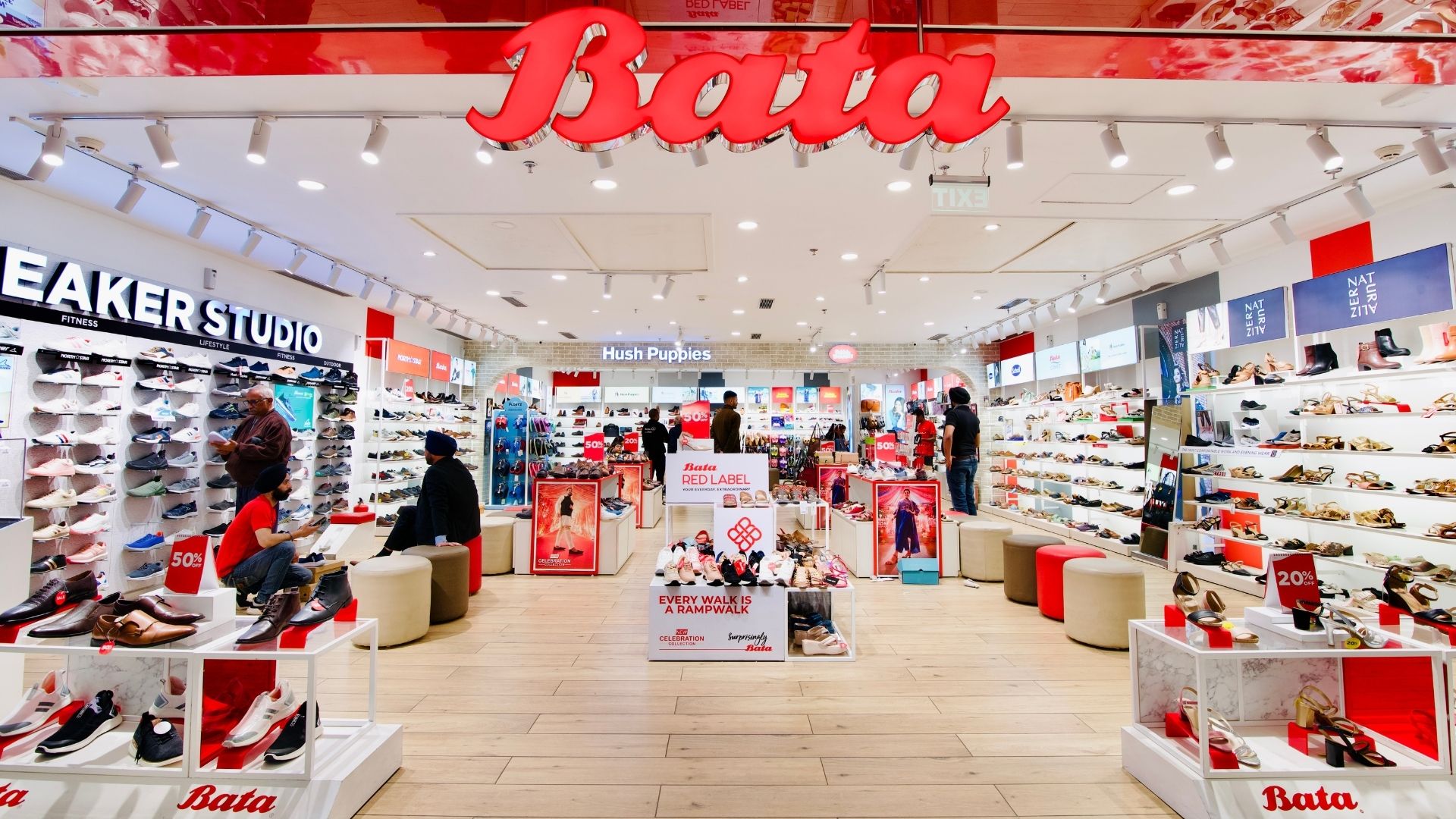
A major competitive advantage for Bata India is its deep retail penetration. Unlike many online-first footwear startups, Bata established physical stores across cities, towns, and semi-urban markets decades ago. This strong retail network builds trust and creates local brand dominance.
From a digital marketing angle, offline stores significantly boost online searches. When customers see a physical store in their locality, they are more likely to search “Bata store near me” or check prices online before visiting. This omnichannel behavior increases branded search volume, which strengthens SEO authority.
Furthermore, local SEO becomes powerful for such brands. Location pages optimized for city-based keywords help capture geo-specific searches. For example, “Bata shoes in Raipur” or “Bata showroom in Lucknow” are high-intent keywords that convert quickly. Businesses entering the footwear niche can learn from this by combining local store visibility with optimized Google Business listings and location pages.
E-Commerce Optimization and Digital Growth
With the rapid growth of online shopping, Bata adapted its business model to strengthen its digital footprint. Listing products on platforms like Amazon India and Flipkart expanded its reach beyond physical store limits. These marketplaces already have massive traffic, allowing Bata to capture ready-to-buy customers.
However, marketplace presence alone is not enough. Bata ensures that product listings are detailed, include multiple images, accurate sizing information, and competitive pricing. Reviews play a crucial role here. Positive customer feedback increases trust and improves conversion rates.
On its official website, the brand uses structured category segmentation such as men’s formal shoes, women’s sandals, and kids’ footwear. This structured architecture improves crawlability for search engines and enhances user navigation. Internal linking between related categories helps distribute page authority, which is essential for ranking higher in search results.
Seasonal campaigns are another key digital driver. During school reopening months, the website highlights school shoe collections prominently. Festive seasons often bring limited-time discounts and promotional banners. Such campaigns not only increase sales but also align with trending search terms during specific months.
Competitive Landscape and Strategic Differentiation
While global brands like Nike and Adidas dominate the premium sports segment, Bata operates in a distinct value-focused category. Even comfort-centric brands such as Skechers generally cater to higher price brackets.
This strategic differentiation protects Bata from direct price wars with premium players. Instead of competing on performance innovation or celebrity endorsements, Bata focuses on mass affordability and daily usability. This clarity in positioning reduces brand confusion and strengthens identity.
Moreover, Bata avoids over-reliance on trend cycles. Fast-fashion footwear brands often experience rapid demand spikes followed by equally fast declines. Bata’s core categories—formal shoes, school footwear, and practical sandals—maintain steady demand year-round. This stability supports predictable revenue flow and long-term sustainability.
Brand Trust and Longevity in a Changing Market
Sustaining relevance for over a century requires consistent adaptation without losing brand DNA. Bata exemplifies this balance. While it embraces digital advertising, influencer collaborations, and modern collections, it does not abandon its core promise of affordability and comfort.
Trust plays a critical role in repeat purchases. For footwear, fit and comfort are major decision factors. If a customer has had a positive experience with Bata in the past, the likelihood of repurchase is high. This reduces dependency on aggressive marketing and enhances customer lifetime value.
In the Indian context, where price sensitivity and practical buying behavior dominate, Bata’s positioning remains highly relevant. Economic fluctuations affect premium discretionary spending more severely than essential purchases. Since footwear is a necessity, and Bata operates in the affordable segment, it often remains resilient even during slower economic periods.
Digital Marketing Lessons for Footwear Brands
For entrepreneurs building a footwear website or brand, Bata offers several valuable insights. First, clarity of positioning is critical. Trying to target everyone without defining price segment and audience leads to weak brand identity. Bata clearly communicates that it is reliable and affordable, which strengthens its recall.
Second, content strategy should align with buying intent. Instead of focusing solely on lifestyle imagery, brands should create SEO-focused category pages targeting keywords like “affordable office shoes,” “comfortable sandals for women,” or “school shoes under 1500.” These keywords attract ready-to-purchase visitors.
Third, consistency matters more than short-term hype. Viral campaigns may generate temporary spikes, but long-term growth depends on steady trust-building, product quality, and search visibility.
Finally, integrating offline presence with digital marketing creates a powerful loop. Physical visibility boosts online searches, and strong online reviews increase store visits. Even smaller brands can replicate this on a regional scale.
Future Outlook of Bata in India
As India’s consumer market expands and digital penetration deepens, Bata India is likely to focus more on direct-to-consumer sales, personalized marketing, and data-driven campaigns. Youth-centric collections and social media collaborations will continue to reshape perception among Gen Z buyers. At the same time, its school and formal categories will remain core revenue drivers.
The key challenge for Bata will be balancing modernization with its established identity. If it continues refining product design while maintaining competitive pricing, it will sustain dominance in the value footwear segment.
In conclusion, Bata’s journey represents more than just a footwear success story. It is a case study in brand endurance, strategic positioning, and consumer trust. For digital marketers and entrepreneurs alike, the brand demonstrates that understanding mass-market psychology, optimizing for high-intent keywords, and building long-term credibility can generate sustainable organic growth.